Introduction
World of Warcraft has undergone dramatic transformations since its original launch in November 2004. From the rigid, slower-paced days of patch 1.1 to today’s dynamic, feature-rich experience, the game’s evolution reflects both player feedback and the expansion of technical possibilities. This article compares core aspects—gameplay systems, visuals, social dynamics, and quality-of-life features—highlighting how far Azeroth has come and what lessons modern developers can glean from the past.
Whether you’re an alt-tabbing veteran or a fresh face logging into Classic, understanding these shifts will deepen your appreciation for WoW’s ongoing success.
Gameplay Mechanics and Systems
Leveling Pace: In Classic, leveling from 1 to 60 could take hundreds of hours—every quest turn-in was a time sink. Modern WoW features streamlined quest flows, experience bonuses, and zone-level scaling that allow new characters to hit max level in under a day of focused play.
Talent Trees vs. Specialization: Classic’s sprawling trees allowed deep customization but invited min-maxing paralysis. Today’s active specialization system provides discrete talent rows and Streamlined Covenant abilities, making theorycrafting more accessible to casual players.
Group Content: Dungeon Finder revolutionized grouping in Cataclysm—no more spamming trade chat for a tank. Modern LFG and cross-realm features connect players across servers, whereas Classic often required guild membership or persistent community presence to find reliable parties.
Visuals, UI, and Technical Advances
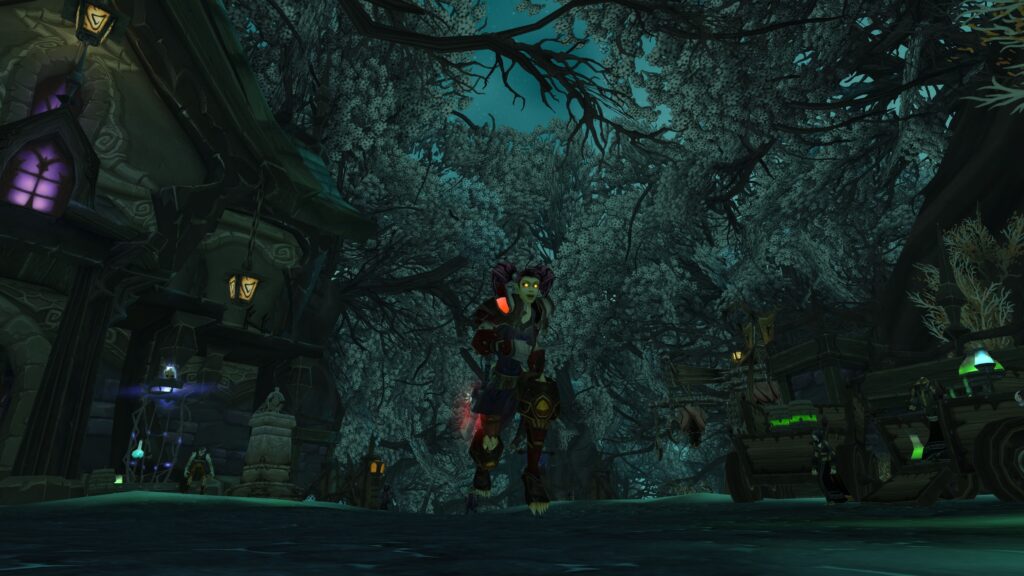
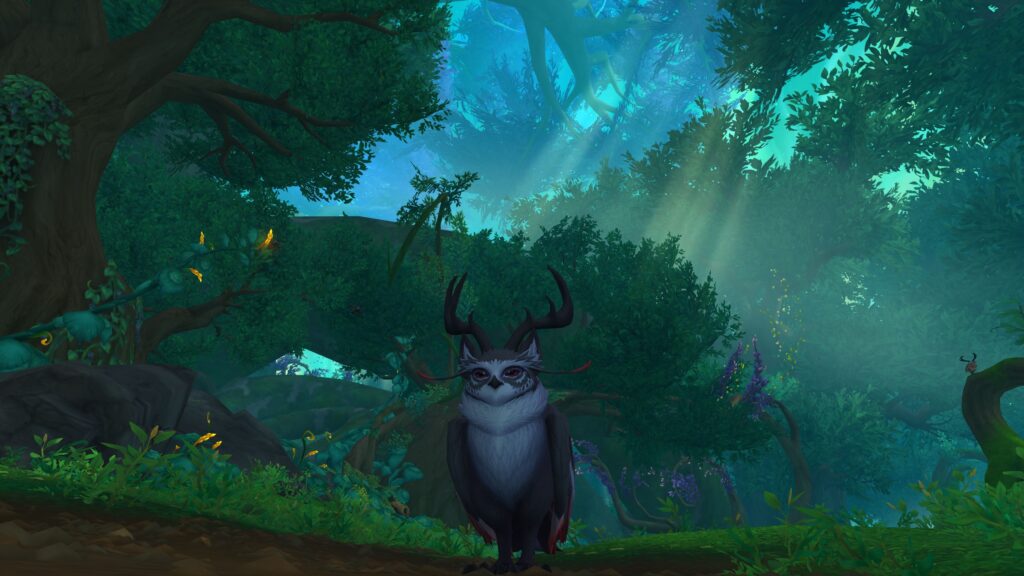
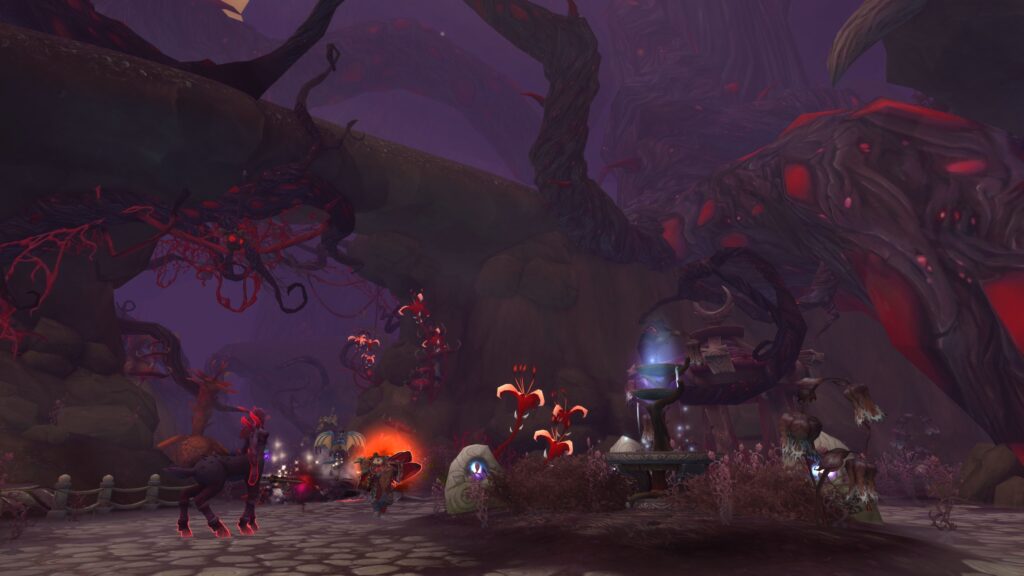
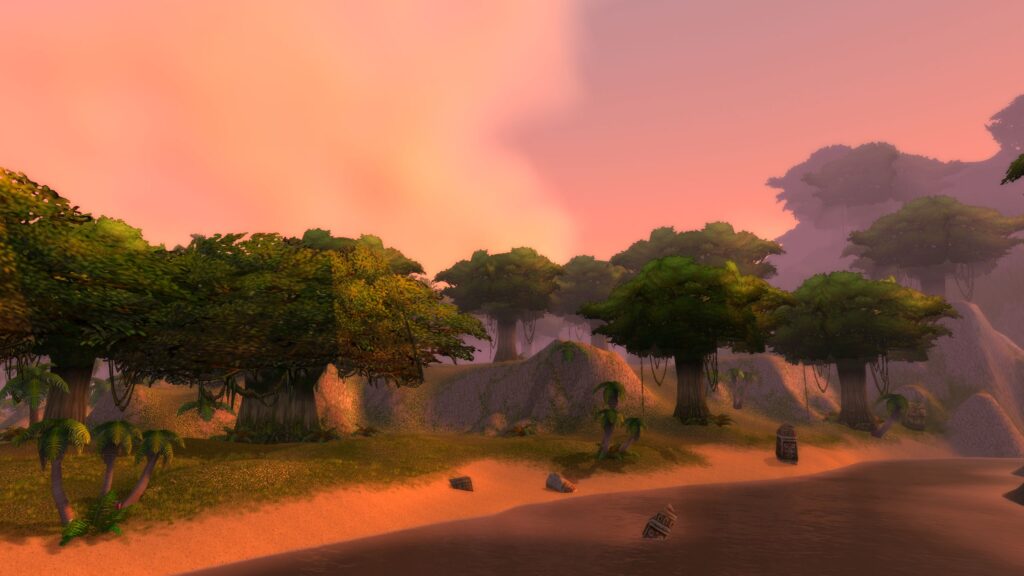
Graphically, Classic’s rudimentary textures and static skies have given way to high-resolution models, volumetric lighting, and customizable UI frameworks. Dragonflight’s flight maps, modular action bars, and built‑in enhanced nameplates exemplify how Blizzard has prioritized player agency in camera control and interface layout.
Key technical milestones include:
- Phasing and Instancing: Introduced in Wrath of the Lich King to allow dynamic story progression.
- Cross‑realm Zones: Added in Mists of Pandaria to populate low‑traffic areas.
- Quantum Map Tech: Dragonflight’s revamped map with waypoint lines and terrain overlays.
Community and Social Evolution
Classic WoW’s social fabric relied heavily on local server identity—trade chat, guild reputation, and server-first bragging rights. Modern WoW’s cross-realm social tools (Group Finder, Communities, and Discord integration) have broadened social circles but sometimes at the expense of server pride.
Guild dynamics have shifted from necessity—finding a 40‑man for Molten Core—to hobby, with raiding guilds operating on multiple schedules and voice communication platforms. The rise of streaming and esports has also turned high‑end PvP and raiding into spectator sports, a far cry from the small hardcore guild text log parses of old.
Conclusion & Comparative Snapshot
From wood‑planked rooftops to sculpted dragon‑scale undercrofts, WoW’s journey mirrors the growth of the MMO genre itself. While Classic offers nostalgia and a reminder of community grit, modern WoW delivers convenience, accessibility, and spectacle. Both eras have lessons to teach—Classic on the value of patience and social cohesion, and Modern on innovation and inclusivity.
Classic vs. Modern Comparison
| Feature | Classic WoW (2004) | Modern WoW (2025) |
|---|---|---|
| Level Cap | 60 | 70 |
| Dungeon Finder | Manual group via chat | Automated cross-realm tool |
| Talent System | Large trees, deep points | Streamlined rows, covenant traits |
| Graphics | Low‑res, static textures | High‑res, dynamic lighting |
| Social Tools | Server‑bound chat & guilds | Cross‑realm communities & LFG |