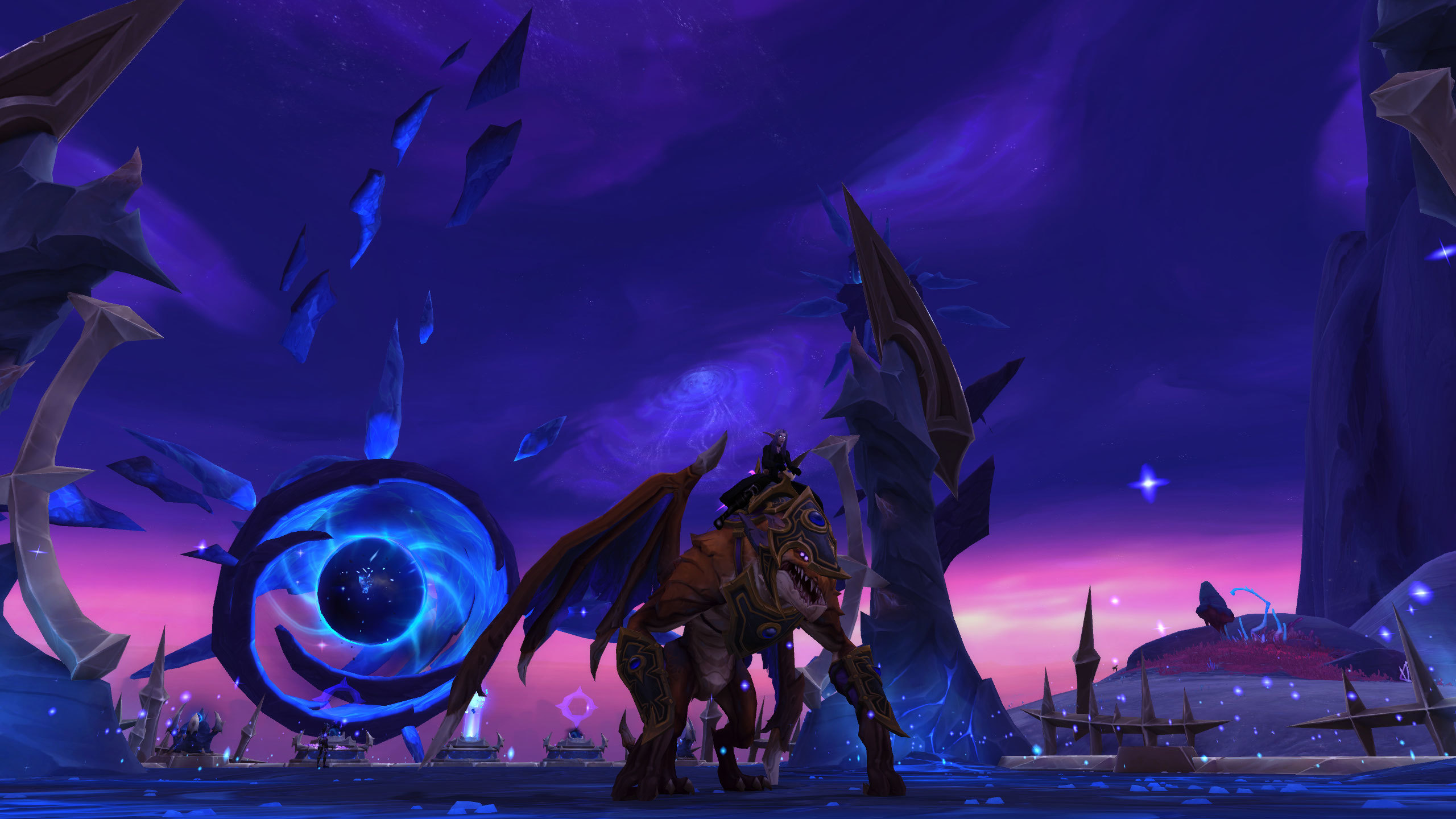
In World of Warcraft (WoW), while grand narratives of war and heroism define expansions, some of the most enduring stories come from smaller, more personal questlines. These are the moments that dig deeper than standard gameplay, delivering emotional impact that resonates long after completion. This guide delves into what makes these questlines so powerful, breaking down the elements that allow them to hit harder than many full RPG campaigns. It’s about understanding the narrative craft, identifying the design choices that convey profound feelings, and appreciating the artistry that transforms a simple task into an unforgettable experience.
Beyond The Grind: Focusing on Character
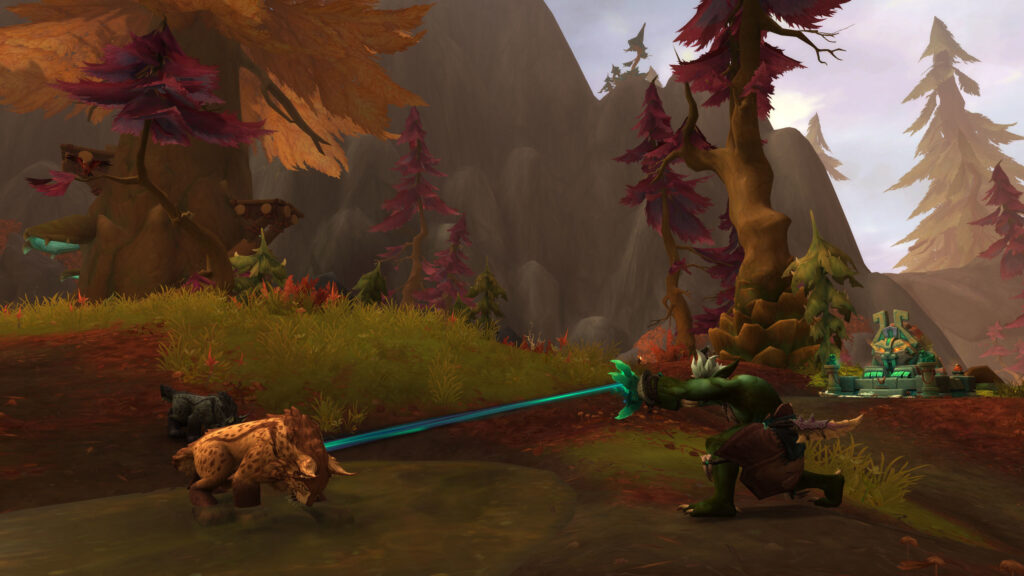
Many MMOs rely on repetitive tasks to move the player forward, but the best quests in World of Warcraft break this cycle. They prioritize narrative weight, forcing players to stop and observe the world. These stories often focus on individual moments of humanity—or tragedy—that exist in the shadow of the larger war against gods and monsters. These emotional beats create a connection beyond mere gameplay mechanics.
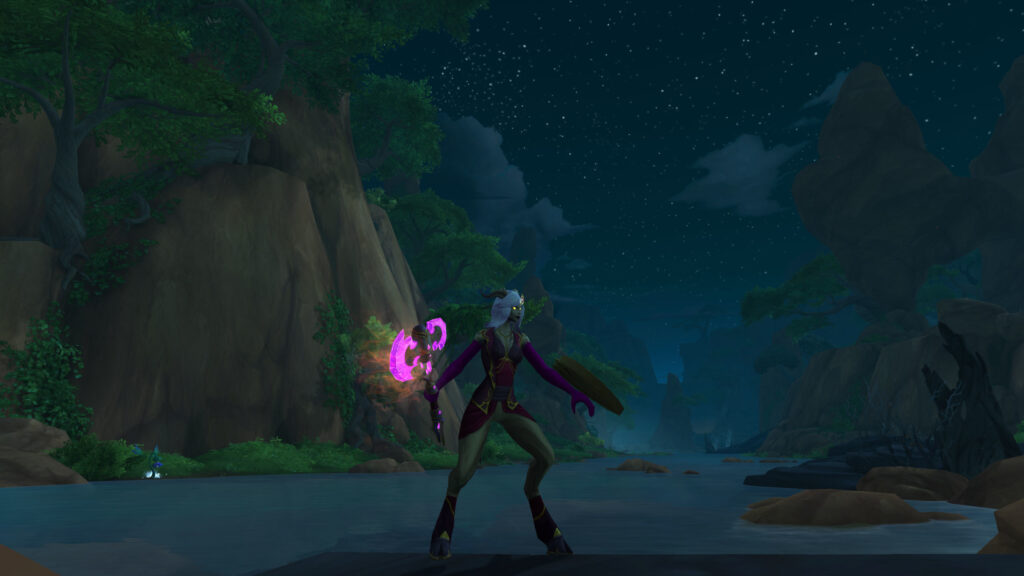
The most successful questlines force a moment of reflection. They often strip away the “hero” label, showing NPCs who are scared, grieving, or struggling to survive. When a quest tasks the player with delivering a final message from a dying soldier or helping a refugee find their family, the gameplay feels grounded. It connects the player to the consequences of the war. These moments resonate because they feel personal, cutting through the scale of a massive conflict to show the cost of failure on a human level.
The Power of Presentation and Pacing
Production quality also plays a massive role in these experiences. When a quest combines voice acting, specific musical cues, and unique environmental storytelling, it creates a cinematic experience that stays with the player. Users do not remember the standard gathering quests; they remember the moments where the game paused to tell a sad, brutal, or inspiring story. Years later, those memories serve as the foundation of the community’s shared experience, proving that a story well-told is more important than a reward well-received.
| Feature | Why It Resonates | Example Impact |
|---|---|---|
| Vulnerable NPCs | Shows the human cost of the war. | Player empathy and emotional investment. |
| Pacing Control | Forces players to slow down and listen. | Allows narrative to sink in, builds tension/sadness. |
| Moral Ambiguity | Avoids black-and-white outcomes. | Makes decisions feel more significant and realistic. |
| Atmospheric Cues | Uses music and light to set the mood. | Enhances the emotional weight of key scenes. |
Lasting Impact and Shared Memories
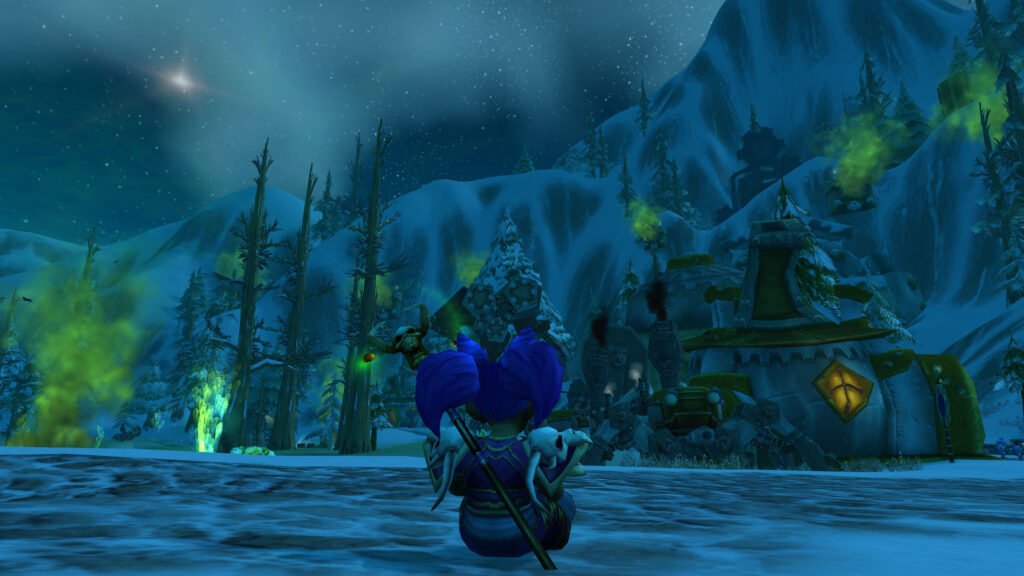
These questlines build a layer of emotional depth that transforms the player’s journey. They remind players that even in a world of epic battles, the struggles of individuals hold immense power. This focus on personal narrative ensures these quests are not just completed but truly experienced, leaving an indelible mark on players and fostering a shared appreciation for the game’s storytelling capabilities.
